

RELATED
") Sodium Hydrosulfide (NaSH)Jun 03, 2024
Sodium Hydrosulfide (NaSH)Jun 03, 2024 Mid-Autumn FestivalSep 24, 2026
![]() Meet Shandong Xuke Chemical at ICIF China 2026Sep 11, 2026
Meet Shandong Xuke Chemical at ICIF China 2026Sep 11, 2026 Ammonium Sulfate: A Versatile Powerhouse for Industry and AgricultureJul 10, 2026
 Zinc Sulfate Monohydrate | Industrial/Agricultural/Feed Grade, Stable Supply Direct From SourceJun 26, 2026



MESSAGE
Zinc Sulfate Heptahydrate: Characteristics, Applications and Safety Analysis
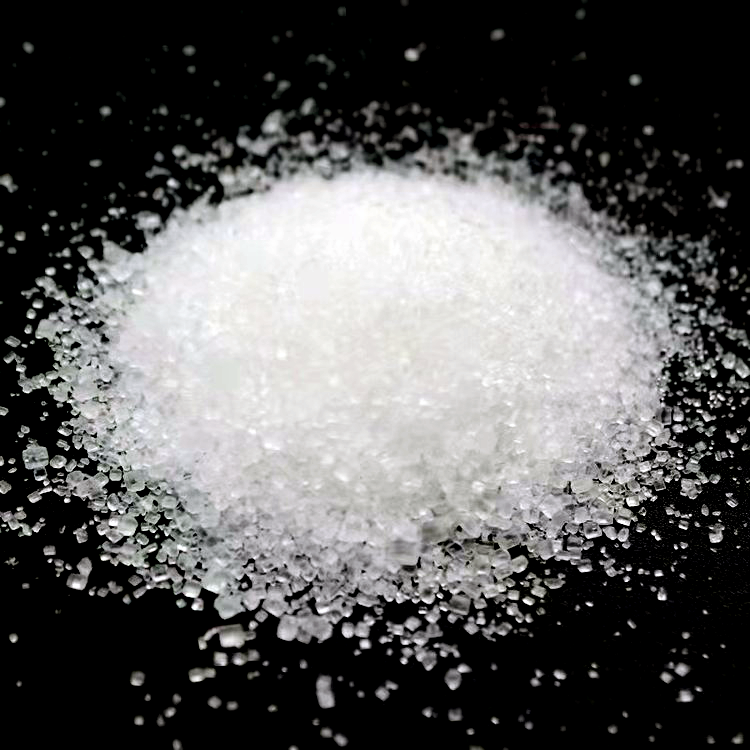
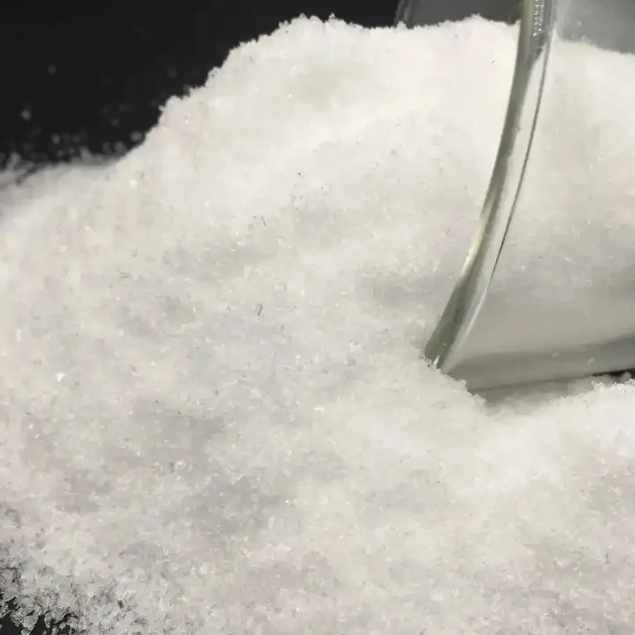
Zinc sulfate heptahydrate (chemical formula: ZnSO₄·7H₂O), commonly known as zinc vitriol or white vitriol, is a common inorganic compound. As an important form of zinc, it has the characteristics of good solubility and chemical stability, and is widely used in various fields such as industry, agriculture, medicine, and daily chemicals, making it an indispensable basic chemical raw material in modern production and life. Its CAS number is 7446-20-0, and its molecular weight is 287.56. It appears as colorless rhombic prismatic crystals or white powder. Due to its easy preparation, low cost, and wide range of uses, it has become one of the most commonly used varieties in the inorganic zinc salt family.
I. Core Characteristics: Structure and Physicochemical Properties
The core characteristics of zinc sulfate heptahydrate are closely related to its molecular structure. Its crystals contain seven water of crystallization, which is the origin of its name. Under different environmental conditions, its physicochemical properties exhibit obvious differences, which can be specifically divided into the following points:
In terms of physical properties, the density of zinc sulfate heptahydrate is 1.957g/cm³, and its melting point is about 100℃. Above 280℃, it completely loses its water of crystallization and is converted into anhydrous zinc sulfate; above 500℃, it further decomposes into zinc oxide, sulfur dioxide, and other products. It has excellent solubility: 96.5g can be dissolved in 100ml of water at 20℃, and the solubility increases significantly to 663.6g/100ml at 100℃. It is slightly soluble in ethanol and glycerol, insoluble in ketones and liquid ammonia, and its aqueous solution is weakly acidic with a pH value between 3.74 and 3.76. In dry air, zinc sulfate heptahydrate weathers gradually, and its surface slowly turns into powder, so it should be stored in a moisture-proof and sealed manner.
In terms of chemical properties, zinc sulfate heptahydrate has the typical reaction characteristics of inorganic sulfates. It can react with alkalis to form zinc hydroxide precipitate and with barium salts to form barium sulfate precipitate. This characteristic is often used for its purity detection and impurity removal. At the same time, it is stable at normal ambient temperature and not easy to burn, but it decomposes to produce toxic sulfur oxide gas when heated to high temperatures. In addition, zinc ions have certain astringent and antibacterial effects, laying a foundation for its application in the fields of medicine and daily chemicals.
II. Preparation Process: Diversified Production Paths
The preparation process of zinc sulfate heptahydrate mainly focuses on raw material sources and is divided into three categories: synthesis method, leaching method, and waste residue recovery method. Different processes have their own advantages and can be flexibly selected according to the needs of raw material supply and production cost. The details are as follows:
The synthesis method is the most basic and commonly used production method. It uses sulfuric acid, zinc oxide, and zinc hydroxide as raw materials to generate zinc sulfate solution through acid-base neutralization reaction. After concentration, cooling crystallization, and centrifugal dehydration, the finished product of zinc sulfate heptahydrate can be obtained. This process has a simple flow and easy control of purity, is suitable for large-scale industrial production, and the product purity can meet the needs of high-end fields such as medicine and electronics.
The leaching method uses zinc ore (such as sphalerite and smithsonite) as raw material. First, the ore is roasted to convert into zinc oxide, then leached with dilute sulfuric acid to obtain a crude zinc sulfate solution. After impurity removal and purification (oxidation to remove iron, zinc powder replacement to remove heavy metals such as copper and cadmium), the finished product is obtained by concentration and crystallization. This process relies on mineral resources, is suitable for areas rich in ore resources, and realizes the efficient utilization of zinc resources.
The waste residue recovery method is an environmentally friendly and economical process. It uses industrial zinc ash (containing 30%-40% zinc oxide) as raw material to prepare zinc sulfate heptahydrate through acid leaching, impurity removal, filtration, purification, concentration, and crystallization steps. It not only solves the environmental treatment problem of industrial waste residue but also realizes resource recycling, which is in line with the development trend of green chemical industry. In addition, there is a recovery method using waste zinc such as waste battery zinc skin as raw material, which is crystallized after pretreatment, acidolysis reaction, impurity removal, and purification, further expanding the source of raw materials.
III. Multi-field Applications: Penetrating into All Scenarios of Production and Life
Zinc sulfate heptahydrate has a very wide range of application scenarios, mainly due to the active chemical properties of zinc ions. It can be found in industrial production, agricultural planting, medical care, and daily chemical products. It can be specifically divided into the following major fields:
(I) Industrial Field: Basic Chemicals and Material Protection
In electroplating and metal surface treatment, zinc sulfate heptahydrate is one of the core raw materials. As the main source of zinc ions in the electroplating solution, it is used for galvanizing, zinc-nickel alloy electroplating, and passivation treatment. Its advantages include a dense coating, strong corrosion resistance, and lower cost than the cyanide electroplating process. It is widely used in the corrosion protection of steel, hardware, electronic components, and other products.
As an intermediate of chemical raw materials, it can be used to produce a variety of zinc salt products. For example, it reacts with sodium carbonate to prepare zinc carbonate (used in rubber fillers and ceramic glazes), is calcined at high temperature to obtain zinc oxide (used in rubber vulcanization activators), and reacts with sodium stearate to generate zinc stearate (used as a plastic lubricant). At the same time, it is also used for wood preservation. A 5%-10% solution prepared from it is used to impregnate railway sleepers and building wood, which can effectively prevent fungal erosion; in the leather industry, it is used as a mordant, which can enhance the flexibility and luster of leather.
In the field of water treatment and environmental protection, zinc sulfate heptahydrate combined with polyacrylamide (PAM) can be used as a flocculant to effectively remove suspended solids in water; by adjusting the pH of wastewater to alkaline, zinc ions can form zinc hydroxide precipitate and simultaneously adsorb heavy metal ions such as cadmium and lead in water, with a removal rate of more than 90%, helping industrial wastewater meet discharge standards. In addition, in the chemical fiber industry, it can be used as a catalyst for polyester production, accelerating the polycondensation reaction, improving the dyeing performance of fibers, and enhancing fiber strength and color fastness. It is widely used in high-end chemical fiber products such as sportswear and home textiles.
(II) Agricultural Field: Key Auxiliary for Yield and Quality Improvement
Zinc is one of the essential trace elements for plant growth and development. It participates in the activity regulation of various enzymes such as plant carbonic anhydrase and RNA polymerase and plays an important role in photosynthesis and nutrient absorption. As a commonly used trace element fertilizer, zinc sulfate heptahydrate can effectively correct soil zinc deficiency. It can be applied by base fertilizer, foliar spraying, and other methods, which can promote crop growth, improve yield and quality, and is especially suitable for crops sensitive to zinc such as corn, rice, wheat, fruit trees, and vegetables.
At the same time, it is also a high-quality feed additive used to supplement zinc in livestock and poultry. It can prevent skin diseases in livestock and poultry, promote growth and development, and improve immunity. It should be noted that regions such as the European Union have strict restrictions on the zinc content in feed (≤150mg/kg) to prevent environmental pollution caused by excessive use.
(III) Medical and Daily Chemical Fields: Important Raw Materials for Health and Care
In the medical field, zinc sulfate heptahydrate is a commonly used pharmaceutical raw material. It is often used to prepare calamine lotion. When compounded with zinc oxide and glycerol, it can relieve skin itching symptoms such as eczema and prickly heat and has astringent, antipruritic, and antibacterial effects; the antibacterial ointment made by combining it with erythromycin can inhibit bacterial infection of wounds such as burns and traumas and promote wound healing. In addition, it can also be used for oral supplementation of zinc in the human body to treat zinc deficiency. Adults supplement 15-30mg of zinc per day (equivalent to 65-130mg of zinc sulfate heptahydrate), which can improve problems such as loss of appetite and growth retardation caused by zinc deficiency.
In the daily chemical field, the application of zinc sulfate heptahydrate is becoming more and more extensive. Zinc sulfate heptahydrate with a concentration of 0.05%-0.1% can be used in mouthwash, which can inhibit the growth of oral bacteria and replace zinc chloride to reduce irritation; in anti-dandruff shampoo, it can work synergistically with zinc pyrithione (ZPT) to effectively control scalp fungi and reduce dandruff, with an addition amount of usually 0.5%-1%.
(IV) Emerging Fields: Prominent Potential for Innovative Applications
With the development of science and technology, the application field of zinc sulfate heptahydrate is constantly expanding. In the field of new energy batteries, as a zinc source for electrolytes, it is widely studied for high-safety zinc-ion batteries. The energy density in the laboratory stage has reached 200Wh/kg, which is expected to become an important raw material for future energy storage batteries; in the preparation of nanomaterials, zinc sulfate heptahydrate is used as a precursor to synthesize zinc oxide nanowires through the hydrothermal method, which are used in fields such as photocatalysis and sensors; in 3D printing materials, it can be used as a ceramic slurry additive to adjust rheological properties and improve the printing accuracy of ceramic materials such as zirconia.
IV. Safety Protection and Storage: Scientific Use is Crucial
Zinc sulfate heptahydrate has certain hazards. According to GHS hazard classification, it belongs to acute oral toxicity category 4, serious eye damage/eye irritation category 1, and is extremely toxic to aquatic organisms with long-term persistent effects. Therefore, scientific operation, storage, and emergency treatment are particularly important.
In terms of operation precautions, operators must receive special training and strictly abide by the operating procedures. When operating, they should wear protective gloves, protective clothing, goggles, and other protective equipment to avoid direct contact with the skin and eyes and avoid inhaling dust; the workplace should be equipped with local ventilation or general ventilation facilities, away from fire and heat sources, no smoking is allowed, and contact with incompatible substances such as oxidants should be avoided; when handling, load and unload with care to prevent damage to packaging and containers. After operation, wash hands thoroughly, and it is forbidden to eat or drink in the workplace.
In terms of storage requirements, zinc sulfate heptahydrate should be stored in a cool, dry, and ventilated warehouse with strictly sealed packaging to prevent weathering and moisture absorption; the storage place should be away from acids, alkalis, and flammables, without drainage pipes or sewers, to avoid polluting water bodies after leakage; it should be stored separately from oxidants, and mixed storage is strictly prohibited. The storage area should be equipped with appropriate materials to contain leaks.
In terms of emergency treatment, if it comes into contact with the skin, remove contaminated clothing and rinse with plenty of flowing water; if it comes into contact with the eyes, immediately rinse with plenty of water for a few minutes, and if necessary, remove contact lenses and continue rinsing, then seek medical attention in a timely manner; if accidentally swallowed, rinse the mouth and drink 1-2 glasses of water, and seek medical attention in a timely manner; if leakage occurs, small leaks can be collected in a closed container, absorbed with inert materials such as sand and activated carbon, and then transferred to a safe place; large leaks need to have a dike built to contain them to avoid environmental pollution, and it is strictly prohibited to flush them into sewers.
V. Market Development and Future Trends
At present, with the improvement of environmental awareness and the growth of demand in emerging fields, the market of zinc sulfate heptahydrate shows a steady development trend. In the field of environmental protection, the continuous improvement of zinc-containing waste recovery technology not only reduces resource waste but also promotes the green development of zinc sulfate heptahydrate production; in high-end fields such as medicine and electronics, the demand for low-impurity and high-purity zinc sulfate heptahydrate is increasing, forcing the continuous upgrading of production processes.
In the future, with the continuous breakthrough of emerging fields such as new energy and nanomaterials, the application scenarios of zinc sulfate heptahydrate will be further expanded, and its production process will develop in a more efficient, environmentally friendly, and refined direction. At the same time, the increasing requirements of various countries for environmental protection and product quality will promote the standardized development of the zinc sulfate heptahydrate industry, achieving a win-win situation of economic and environmental benefits.
In summary, as a multi-functional inorganic compound, zinc sulfate heptahydrate plays an irreplaceable role in modern production and life with its unique physicochemical properties and wide application value. Whether it is a basic raw material for industrial production, a key auxiliary for agricultural yield increase, or an important component of medicine and daily chemicals, it is indispensable. On the premise of scientific use and attention to safety, zinc sulfate heptahydrate will continue to provide support for the development of various fields and show broad development prospects.
Please give us a message